Get Industrial Fence Installation
Local contractors offer industrial fence installation services to secure properties, define boundaries, and support projects like warehouses, factories, and construction sites.
Industrial fence installation is an important consideration for property owners seeking to enhance security, define boundaries, or improve site organization. Whether planning a new project or upgrading existing fencing, exploring local contractors can help ensure the work aligns with specific site needs and local regulations. Taking the time to compare options within the area allows property owners to find experienced service providers capable of delivering durable and functional fencing solutions tailored to industrial environments.
For those considering industrial fencing, understanding the variety of available materials, styles, and installation approaches is key to making an informed decision. Property owners are encouraged to review local service providers' expertise and experience to find the right fit for their project. Continuing to explore available options can lead to a well-planned installation that meets operational requirements and security standards.
- Industrial Fence Installation - needed when securing large commercial or manufacturing facilities.
- Perimeter Fencing - required for defining property boundaries and preventing unauthorized access.
- Security Fencing - essential for protecting sensitive areas or high-value equipment.
- Warehouse Fencing - necessary for creating secure storage spaces and loading zones.
- Agricultural Fence Installation - used to enclose farmland, livestock, or crop areas effectively.
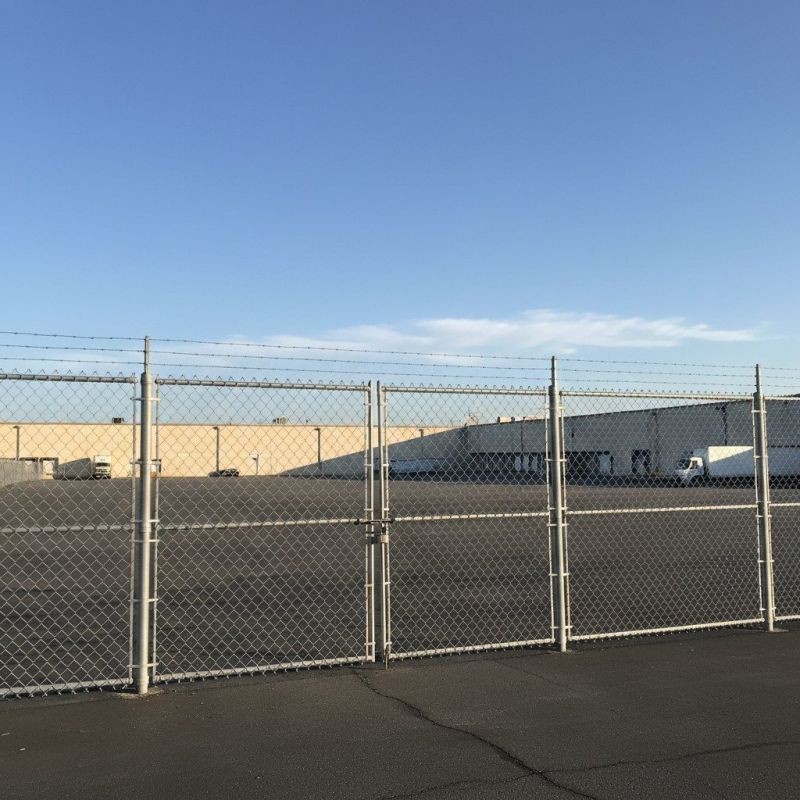
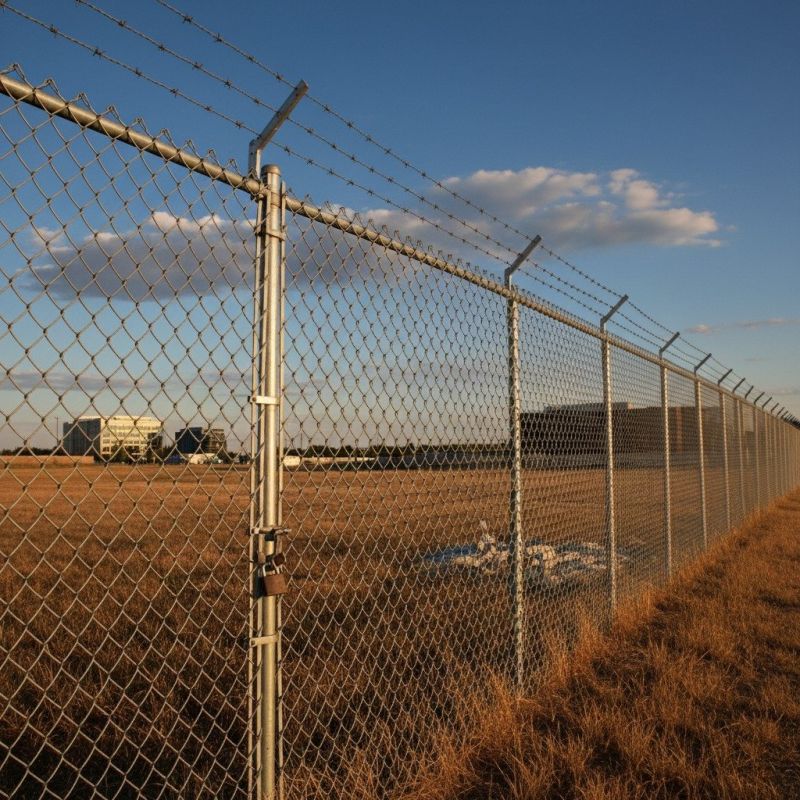
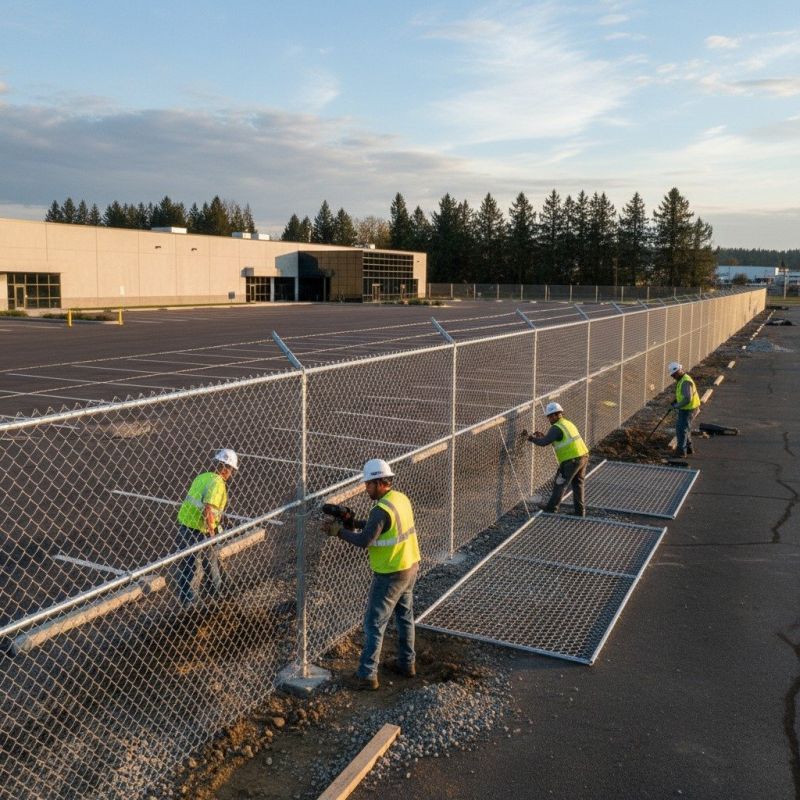
Industrial fence installation services involve the professional setup of durable fencing systems designed to secure and define commercial, industrial, or large-scale properties. These services typically include assessing the property’s specific needs, selecting appropriate fencing materials, and installing the fence with precision to ensure long-lasting performance. Contractors may also handle related tasks such as site preparation, post-setting, and securing gates or access points. The goal is to provide a robust barrier that enhances security, controls access, and delineates property boundaries effectively.
This type of fencing helps solve common problems faced by property owners and managers. It provides a reliable security measure to prevent unauthorized access, protect valuable equipment or inventory, and deter theft or vandalism. Industrial fences can also serve to contain hazardous areas, manage traffic flow, or prevent animals from entering sensitive zones. By installing a sturdy fence, property owners can reduce the risk of breaches, minimize liability, and maintain a safer environment for employees and visitors.
Properties that typically utilize industrial fencing include warehouses, manufacturing plants, distribution centers, construction sites, and large commercial facilities. These properties often require high-security solutions that can withstand environmental elements and potential tampering. Additionally, agricultural operations, utility sites, and storage yards may also benefit from industrial fencing to safeguard assets and ensure operational safety. The choice of fencing material and design depends on the specific needs of each property, including security level, durability requirements, and aesthetic preferences.
Homeowners who are considering industrial fencing usually do so when they need a high level of security or privacy for large or valuable properties. This might include extensive residential estates, private farms, or properties with significant outdoor equipment. Industrial fencing can also be suitable for properties that require perimeter protection against animals or intruders, or for creating clear boundaries around large private landholdings. Contacting local contractors can help determine the best fencing options to meet individual needs and ensure the property is properly secured and defined.
The overview below groups typical Industrial Fence Installation projects into broad ranges so you can see how smaller, mid-sized, and larger jobs often compare in your area.
In many markets, a large share of routine jobs stays in the lower and middle ranges, while only a smaller percentage of projects moves into the highest bands when the work is more complex or site conditions are harder than average.
Smaller Repairs - minor fence repairs or adjustments typically cost between $250 and $600, depending on the extent of the work. Many routine fixes fall within this middle range, making it a common price point for local contractors. Fewer projects reach the higher end of this spectrum.
Basic Fence Installation - installing a new standard chain-link or wood fence usually ranges from $1,500 to $3,000 for most residential properties. These projects often fall into the middle tier, with larger or more complex setups pushing costs higher.
Full Fence Replacement - replacing an entire existing fence can cost between $3,000 and $7,000, depending on size, materials, and site conditions. Many projects land in the lower to mid-range, while extensive or custom designs may reach higher budgets.
Large Commercial Installations - large-scale industrial or commercial fencing can range from $10,000 to $50,000 or more, based on length, height, and security features. Such projects are less common and typically fall into the higher cost brackets for local service providers.
Actual totals will depend on details like access to the work area, the scope of the project, and the materials selected, so use these as general starting points rather than exact figures.
Perimeter Security Fencing - local contractors who install perimeter fences for commercial or industrial properties often use similar skills and tools as those used in industrial fence installation.
Warehouse or Storage Facility Fencing - building secure enclosures for warehouses involves planning and installing durable fencing systems comparable to industrial fencing projects.
Construction Site Fencing - temporary fencing for construction sites requires precise planning and installation techniques similar to those used in permanent industrial fencing.
Industrial Gate Installation - installing gates within industrial fencing systems involves similar hardware, planning, and safety considerations as fence installation services.
Security Barrier Installation - local service providers who set up barriers and bollards for safety and access control employ skills aligned with industrial fencing projects.
Chain Link Fence Projects - chain link fencing for commercial or industrial use shares tools, materials, and planning methods with broader industrial fencing services.
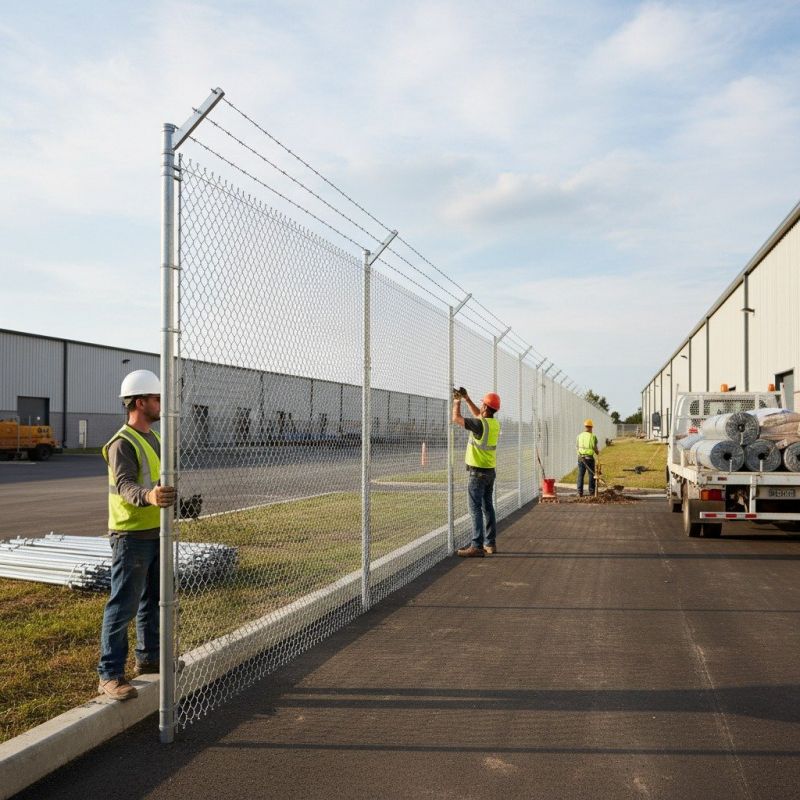
When evaluating potential service providers for industrial fence installation, it’s important to consider their experience with similar projects. An experienced contractor will have a proven track record of handling fences of comparable size, material, and purpose. This familiarity can help ensure the project proceeds smoothly, with fewer surprises or delays. Homeowners should inquire about the types of fences the contractor has installed in the past and seek examples or references that demonstrate their ability to deliver quality results on projects like theirs.
Clear, written expectations are essential for a successful partnership. Homeowners should look for local contractors who provide detailed proposals outlining the scope of work, materials to be used, and any specific project milestones. Having these expectations documented helps prevent misunderstandings and provides a reference point throughout the project. It’s also advisable to request written estimates and timelines, which can serve as a basis for comparison among different service providers.
Reputable references and effective communication are key indicators of a reliable contractor. Homeowners should ask potential local pros for references from past clients, especially those who had similar projects completed. Speaking with previous customers can reveal insights into the contractor’s professionalism, reliability, and quality of work. Good communication-characterized by prompt responses, clarity, and transparency-also plays a vital role in ensuring the project progresses smoothly and that any questions or concerns are addressed promptly. It’s important to remember that this site serves as a resource to connect homeowners with local service providers, not to perform the work itself.
Property owners use Industrial Fence Installation services for practical projects around their homes and businesses. This guide focuses on everyday jobs and straightforward project options.
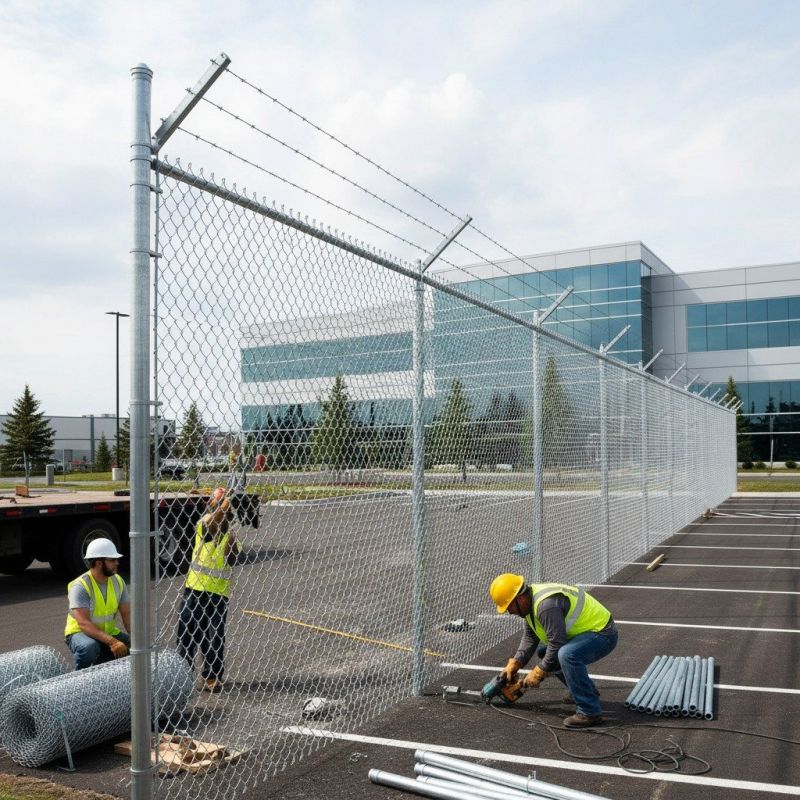
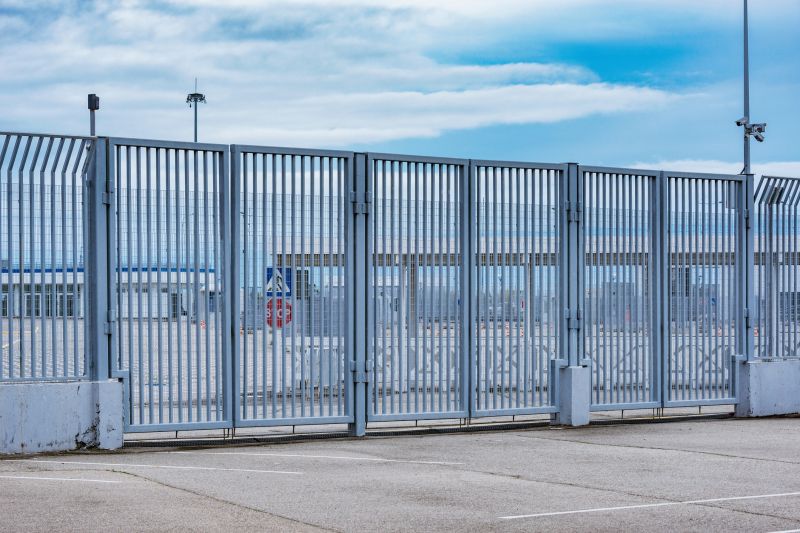
Industrial fence installation is a common project for property owners looking to secure their premises, whether for protecting equipment, creating boundary lines, or preventing unauthorized access. Local contractors are experienced in handling a variety of fencing needs, from installing durable chain-link fences around industrial sites to setting up secure barriers for warehouses and manufacturing facilities. These professionals understand the importance of proper installation to ensure the fence functions effectively and withstands daily wear and tear.
Many property owners seek industrial fencing services to enhance security, define property boundaries, or comply with safety regulations. Whether upgrading existing fencing or installing new barriers, local service providers can help address specific site requirements. They offer solutions tailored to different property types and usage needs, making it easier for owners to find the right fencing options to suit their operational goals.
What types of industrial fences do local contractors install? Local contractors typically install a variety of industrial fences, including chain-link, steel, barbed wire, and privacy fences, tailored to specific security and operational needs.
How can I determine the best fence material for my industrial property? Consulting with local service providers can help evaluate factors such as security requirements, durability, and environment to select the most suitable fence material.
Are there different fencing options for high-security industrial sites? Yes, many local contractors offer high-security fencing solutions like reinforced steel fences, barbed wire, and anti-climb designs to meet security demands.
What should I consider when planning an industrial fence installation? Important considerations include the fence’s purpose, property boundaries, local regulations, and the type of terrain where the fence will be installed.
How do local contractors ensure proper installation of industrial fences? They typically follow industry best practices for foundation, material handling, and assembly to ensure the fence is secure and long-lasting.
Perimeter Security for Commercial Properties - Local contractors can install fences to secure business grounds and prevent unauthorized access.
Privacy Fences for Residential Backyards - Property owners can enhance privacy and create a safe outdoor space for family activities.
Industrial Site Boundary Fencing - Service providers can set up durable fences to clearly define property limits and improve site safety.
Temporary Fencing for Construction Projects - Contractors can provide portable fencing solutions to control access and ensure safety during ongoing work.
If you are thinking about Industrial Fence Installation for a property, this guide is meant to help you understand the work, the typical project types, and how different options might fit your plans.
When you are ready, you can use the quote form on this page to share a few details about your project. From there, local pros can review the basics and respond with options that match what you have in mind.